No, you do not need a piano teacher to learn chords. Chord shapes, progressions, and timing can all be learned through structured self-directed practice, and many players—including working musicians—build real chord fluency this way. A teacher is not required, but it is not without value either: the honest answer depends on what kind of feedback and structure actually helps you personally.
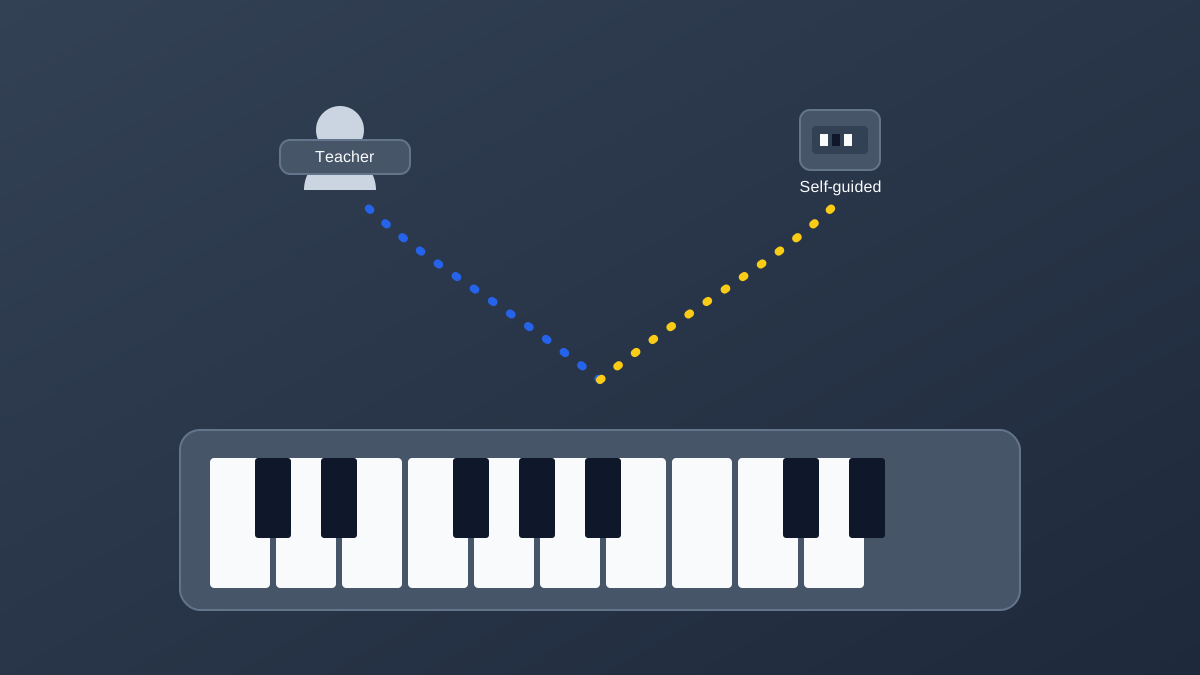
What Self-Directed Practice Covers Well
Chord shapes, note names, common progressions, and timing are all things you can learn accurately from structured resources and consistent practice, without needing someone watching over your shoulder. A metronome enforces timing discipline just as effectively whether or not a teacher is present, and a good chord reference removes any guesswork about which notes belong in a shape.
A structured, self-guided roadmap exists in Piano Chords for Beginners—covering exactly what a beginner needs to know, in order, without requiring outside instruction.
Where a Teacher Genuinely Adds Value
- Catching physical habits you cannot see yourself—like tension in your hand or an awkward finger position that only shows up under a trained eye.
- Personalized feedback and pacing tailored to your specific playing, rather than generic guidance.
- Accountability—a scheduled lesson creates external structure that some learners find easier to stick with.
- Guidance into advanced repertoire, classical technique, or notation-heavy music, where structured instruction tends to accelerate progress.
The Honest Tradeoff
Self-directed learning trades personalized, in-the-moment correction for flexibility, cost, and pace control—you practice on your own schedule, at your own speed, without waiting for a weekly lesson slot. A teacher trades that flexibility for expert feedback you cannot fully replicate on your own, particularly around physical technique and posture.
Neither approach is objectively better for everyone. The right choice depends on your goals, budget, learning style, and how much you value structured accountability versus flexibility.
Combining Both Approaches
Many players use a hybrid approach: building core chord fluency and timing through self-directed practice, then bringing specific questions or technique concerns to periodic lessons rather than weekly ones. This can be more cost-effective than full-time instruction while still catching the physical habits self-practice alone might miss.
If you do want lesson-based support, For Piano Teachers shows how instructors use structured practice tools like Looty Chords between lessons to reinforce what happens in the lesson itself.
Starting Without a Teacher, Right Now
If cost, scheduling, or simple preference means a teacher is not the right fit for you now, that does not close off learning chords well. Structured, randomized practice with a metronome covers the core skill—recognizing and changing between chords in time—directly.
Open Practice Mode to start building that fluency on your own schedule.
Learn chords on your own terms
A teacher can help, but is not required. Build real chord fluency with structured, self-directed practice—bring in a teacher later if and when it makes sense.